

By Dr Neil Taylor
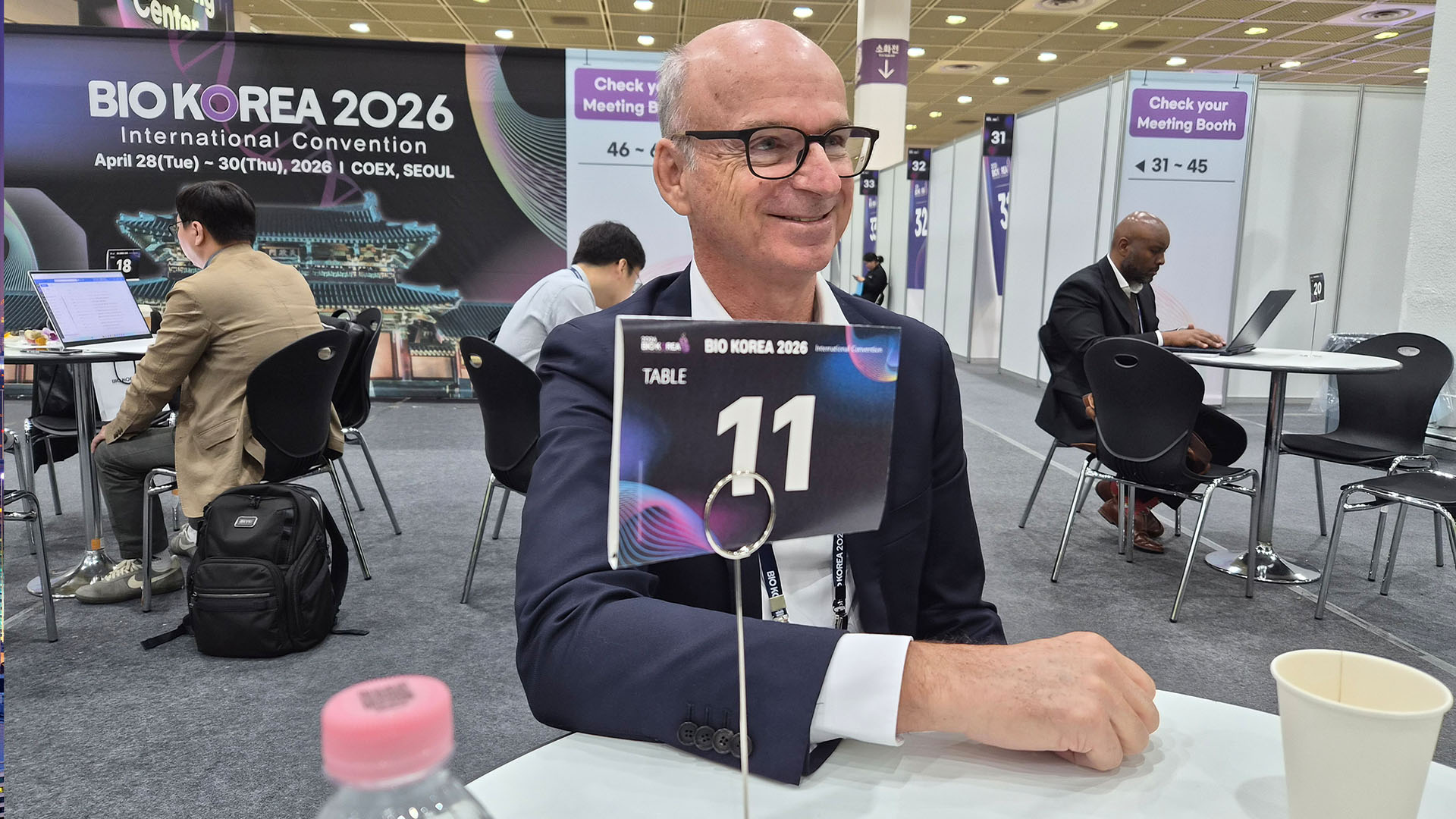
Seoul in late April moves at a pace that feels appropriate for a city hosting one of Asia’s most significant life sciences gatherings. BioKorea 2026 drew dealmakers, investors, and business development executives from across the globe, and the mood on the floor was one of genuine urgency, mixed with genuine optimism.
The financial and strategic conversations happening at BioKorea weren’t abstract. They reflected an industry recalibrating in real time around two forces that are reshaping where capital flows, where partnerships form, and where the next wave of medicines will come from.
The most significant business story at BioKorea wasn’t a deal announcement or a keynote. It was the cumulative weight of conversation after conversation making the same point: Asia, and China in particular, has undergone a structural transformation in drug development that Western pharma can no longer treat as a distant trend to monitor. It is the present reality they are operating in.
The clinical trial efficiency numbers being discussed were striking. Development timelines that take years in other regulatory environments are being compressed dramatically through coordinated site networks, regulatory reform, and a mobilisation of clinical infrastructure at a scale that has no real Western equivalent. Importantly, this is no longer a story about biosimilars or generic manufacturing. Innovative, first-in-class drug programmes are being originated, advanced, and brought to market across the region with increasing confidence and speed.
For investors and business development executives, this creates a genuinely new set of questions:
The complexity is real. Regulatory harmonisation between Asian trial regimes and US or European approval pathways remains an active and unresolved challenge. Questions around data standards, patient population transferability, and commercial rights in global markets are being worked through deal by deal. But the organisations at BioKorea who were engaging with these questions openly and constructively were also the ones with the most interesting pipelines and the most active partnering agendas.
The other dominant business conversation was artificial intelligence in drug discovery. Specifically, the gap between AI as an investment narrative and AI as a demonstrated source of drug development value.
The enthusiasm is understandable. The promise of compressing timelines, reducing attrition, and identifying targets and candidates that human researchers would miss is genuinely compelling. And there are real examples of AI contributing meaningfully to early-stage discovery.
But the more sophisticated investors and partnering teams at BioKorea were asking harder questions. What’s the actual evidence of clinical translation? Where in the value chain is AI genuinely de-risking programmes versus adding a compelling story to a pitch deck? What does it mean for due diligence when the core asset is an algorithm trained on proprietary data that you can’t fully audit?
One framing that resonated strongly came from a session on AI-driven open innovation: an AI strategy is really a data strategy. The organisations creating durable value with AI aren’t necessarily those with the most sophisticated models. They’re the ones who have built scientific data assets of sufficient quality, curation, and domain specificity to make those models trustworthy. That’s a slower, less headline-friendly story than “we built an AI,” but it’s the one that holds up under scrutiny.
For investors, this reframes matters. Evaluating an AI-enabled drug discovery company increasingly means evaluating the underlying data infrastructure – its provenance, its curation, and its scientific defensibility – not just the model sitting on top of it.
The business landscape for drug discovery is shifting faster than most strategic plans were written to accommodate. Capital is following clinical efficiency eastward. AI is maturing from narrative to rigour, and the organisations best positioned for what comes next are those treating both trends not as threats to be managed but as structural opportunities to be understood.
BioKorea made clear that the conversation has moved on. The question now isn’t whether Asia matters or whether AI in drug discovery matters. It’s whether organisations have the partnerships, scientific data infrastructure, and drug development capabilities required to compete in the industry that’s actually emerging.
That’s a more demanding question and a more interesting one.

For more insights into AI in drug discovery, computational chemistry and research-grade scientific software, follow follow Dr Neil Taylor on LinkedIn. Or, if you’d like to arrange a demonstration of DesertSci’s Proasis, please get in touch with our team.